Reflections from the editor’s pen...
First of all, we consider it our duty to offer our thanks and respect to all our veterinarians for their direct contribution and efforts toward animal health and their indirect contribution and efforts toward human health.
The unbreakable interaction between human, animal, and environmental health is now too clear to be ignored. The fact that 70% of new diseases are of animal origin proves just how appropriate and necessary this approach is. Veterinarians work in the field not only to treat animals, but also on many issues of direct relevance to human health, such as the control of zoonotic diseases, food safety, and the fight against antimicrobial resistance. This multifaceted role clearly demonstrates that they are indispensable actors in the public health system.
The “State of the World’s Animal Health 2025” report published by WOAH is not merely a technical assessment, but also a powerful call for policy action. The policy recommendations that stand out in this context can be listed as follows;
Public investment in veterinary health services should be increased. Vaccination programs, laboratory infrastructure, and field services should be strengthened urgently.
National animal health data should be collected reliably, monitored through digital systems, and shared transparently with international organizations.
Veterinarians should be effectively involved in decision-making processes; in particular, they should be encouraged to take a more active role in local governments and public health programs.
The One Health approach should be made concrete at the level of legislation and institutional structures; comprehensive coordination should be ensured among health, environmental, and agricultural policies.
Awareness of the importance of animal health should be raised in society; the media, civil society, and the education system should be given an active role in this regard.
Investing in animal health means not only strengthening the livestock sector, but also ensuring food safety, preventing new outbreaks, and building a much healthier future. This first comprehensive global report by the World Organisation for Animal Health clearly demonstrates why animal health is a shared concern for all of society.
Source: https://www.vhsd.org.tr/2025/05/26/dunya-hayvan-sagligi-2025-raporu-isiginda-veteriner-hekimlik-ve-tek-saglik-yaklasimi/
Foreword; we began by asking what kind of material would have been prepared if a booklet on animal health had been created, and what it would look like from the editor’s perspective. We wanted to take a brief look back into the depths of the past, all the way to the beginning of human history, to the ancient times when living beings began to inhabit our world. Because we believe that we must always remember that we owe the development of our history of civilization, in a way, to them. With this belief, we made room in our product range for products aimed at protecting and improving their health.
Come, let us all go back to the Ancient Ages for a while. And let us try to understand how our Dear Friends, who are now an inseparable part of our Family, entered our lives and why they are important.
The first humans:
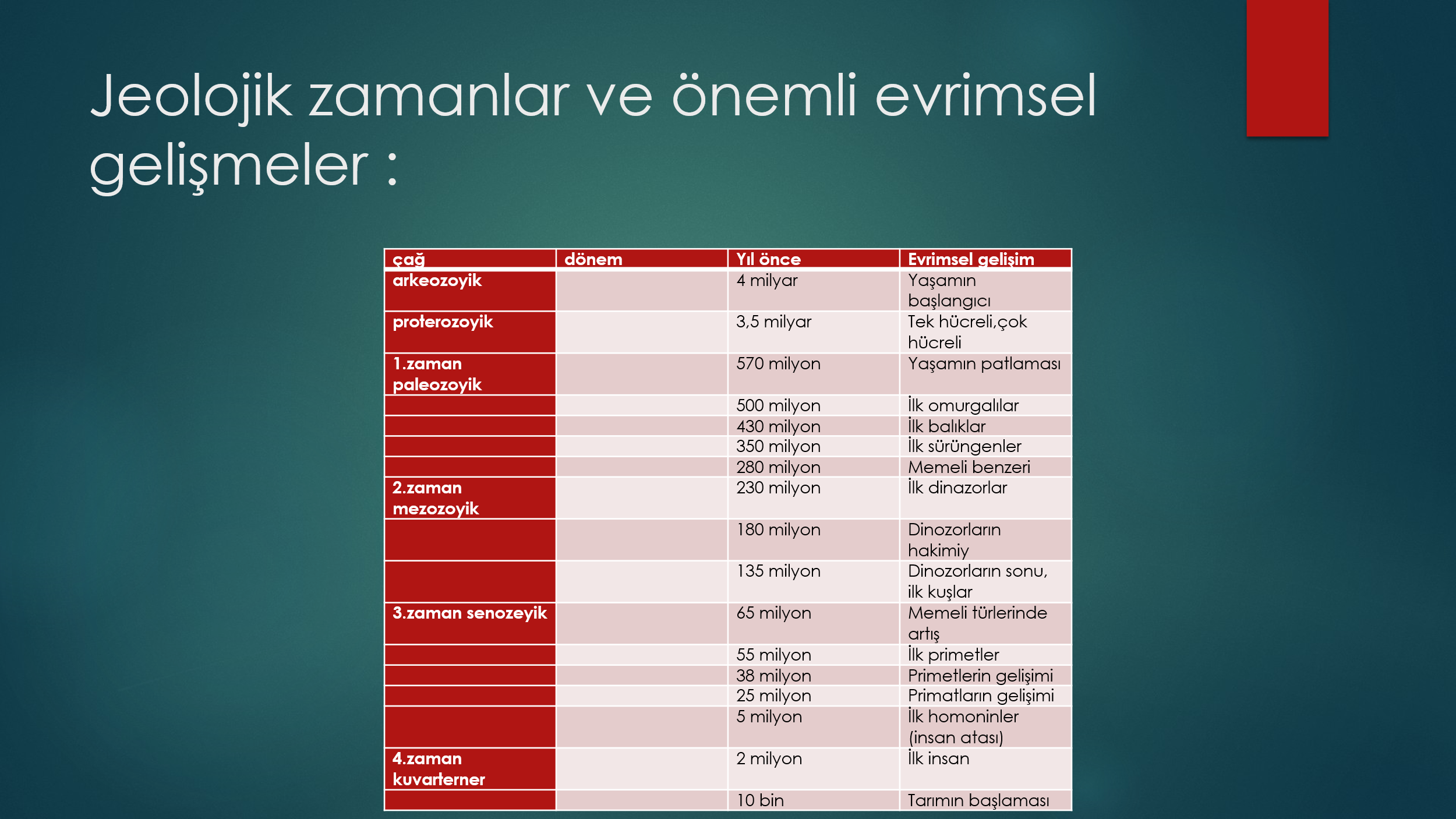
55 million years ago, the first primates,
5 million years ago, the first hominins,
2 million years ago, the first humans.
Paleolithic Age:The period that began 2.5 million years ago and continued until the 4th period (Chalcolithic).
This was the hunter-gatherer and nomadic period. It was the period when the first stone tools were made. Naturally, they took shelter in the caves they came across.
When food gathering was depleted, they migrated to new places. This period ended with the emergence of the first settlements (Epipaleolithic).
The birth of art: animal figures that appeared in caves in Europe, Africa and Australia 35 thousand years ago.
Mesolithic (Epipaleolithic) Age (12,000 – 10,000):
There was a transition from temporary settlements to permanent settlements. While it continued to exist in Europe until around 3000 BC, it was abandoned in the Middle East 10,000 years ago, and the Neolithic Age began.
The most important feature of this period was the Natufian phase. It was a distinct phase for communities that lived 12,000 thousand years ago. During the Natufian period, the first standardized settlements appeared. They were places for approximately 200–300 people. And they buried their dead beneath the settlements.
The dog was the first animal to be domesticated in this age.
Neolithic Age (10,000 – 7,000):
It is also called the Polished Stone Age. Agriculture was adopted, animals were domesticated. For the first time, pottery making began. The region where agriculture was adopted was the Middle Eastern region called the Fertile Crescent. It has been put forward that wheat was first discovered at Karacadağ, between Diyarbakır and Urfa. Meanwhile, agriculture was also being practiced in Southeast Asia and America.
Barley and wheat appeared in the Middle East, corn in America, and rice in Southeast Asia. They date back to 10,000 years ago in the Middle East, 8,000 years ago in Southeast Asia, and 5,000 years ago in Central America.
In the Neolithic Age, production became important. Food and beverage production increased. During this age, goats, sheep and pigs were domesticated for food. Goats and pigs were domesticated in Africa, llamas in America, and pigs in East Asia. Horses, camels and poultry were domesticated later.
Historical development of domesticated animals:
Let us briefly examine the process of animal domestication, one of the most important cultural and economic transformations in human history. Based on findings from archaeozoology, genetics and anthropology, it has been established that domestication developed in multiple stages and in different ways in different regions. If we examine the historical process chronologically, beginning with the first domesticated species, the contributions of each species to human history cannot be denied.
The domestication of animals played a decisive role in the socioeconomic transformations of human history. During the transition from a hunter-gatherer way of life to agriculture, domesticated animals were used both as a source of food and as a workforce, thus laying the foundations for settled life.
We wanted to present the above explanations in a table below.
And The First Domesticated Animals let’s begin with.
1. Dog (Canis lupus familiaris)
The domestication of dogs began approximately 15,000–30,000 years ago. It probably originated in Eurasia. It was domesticated as a result of a “mutually beneficial relationship” that began when wolves roamed around human camps, fed on waste, and over time approached humans. It is thought that wolves that approached human settlements underwent behavioral changes over time. Initially, they were used for protection, assistance in hunting, and warning against dangers.
2. Cat (Feliscatus)
It was domesticated in Cyprus and the Near East approximately 9,500 years ago. Due to rodent control in grain stores that increased with the beginning of agriculture, it became a strategic species in agricultural societies.
3. Horses (Equuscaballus)
They were domesticated in Central Asia 5,500 years ago by the Botai culture in Kazakhstan. Research shows that horses were used both for riding and milk production. They became the most important animals determining the military and commercial power of civilizations. They revolutionized war, transportation, and trade.
4. Sheep (Ovisaries)
It was domesticated approximately 11,000 years ago in southeastern Anatolia and Mesopotamia. They were the first farm animals to provide people with wool, meat, and hides. The domestication of sheep accelerated the development of clothing and weaving cultures. Wool production created an economic revolution in human history.
5. Goat (Caprahircus)
It was domesticated approximately 10,500 years ago in Iran’s Zagros Mountains. Because of their sturdy build, adaptability to steep slopes, and milk and meat, they were favored by nomadic communities.
Goats domesticated in the Zagros Mountains, with their hardy build, became a critical species in nomadic cultures.
6. Pig (Sus scrofadomesticus)
Approximately 10,500 years ago, during the same period, they were independently domesticated in Anatolia, China, and Western Europe. Because they reproduce quickly and can feed almost anywhere, they became an important food source in agricultural societies.
7. Cattle (Bos taurus)
They were domesticated approximately 10,000 years ago in Anatolia and Mesopotamia. Their use as a labor force in agriculture was important in the transition to settled life. With the development of agriculture, they became highly important for traction, milk, and hides. They became one of the most critical species in the transition to settled life.
8. Chicken (Gallusdomesticus)
It was domesticated from the red junglefowl approximately 7,000–8,000 years ago in Southeast Asia. Later, it spread to China, India, and the Middle East. Through the production of both meat and eggs, it became the world’s most widespread domesticated animal.
9. Camel
It was domesticated approximately 3,000–4,000 years ago in Arabia and Central Asia, and is the cornerstone of desert trade.
The initial domestication dates are summarized below:
AnimalSpecies | Date (Years Ago) | Region |
Dog | 15,000–30,000 | Eurasia |
Sheep | 11,000 | Anatolia – Mesopotamia |
Goat | 10,500 | Zagros |
Pig | 10,500 | Anatolia – China – Europe |
Cattle | 10,000 | Mesopotamia |
Cat | 9,500 | Near East |
Chicken | 7,000–8,000 | Southeast Asia |
Horse | 5,500 | Central Asia |
Camel | 4,000 | Arabia – Central Asia |
The domestication of animals is one of the most fundamental turning points in human history. This process paved the way for the development of agriculture, the formation of complex societies, and technological progress.
When we look at the historical process, almost all the evidence for the emergence of humanity indicates that Homo sapiens came from Africa. The DNA of all living humans traces back to this continent, and the oldest fossils of our species were also found there. For a long time, it was thought that our species began with a single population in Southern or Eastern Africa and later spread across the continent. For this reason, the regions where animals were first domesticated naturally point to the Mesopotamian Region.
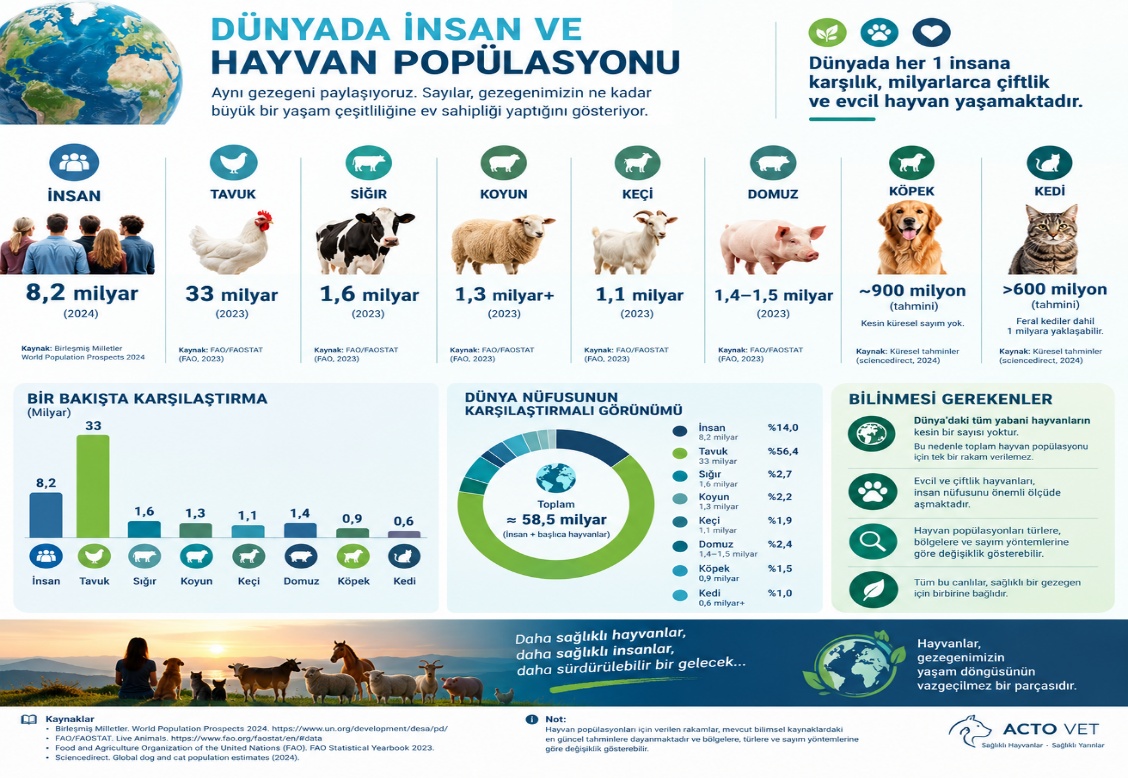
After briefly recalling the historical process, let us look at the current state of animal populations in Türkiye and around the world.
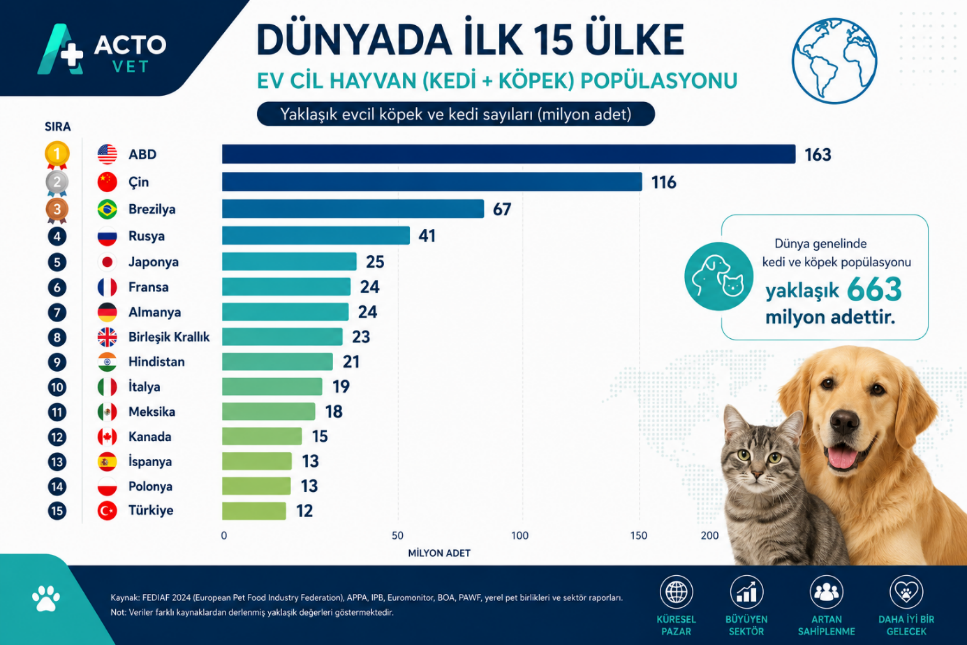
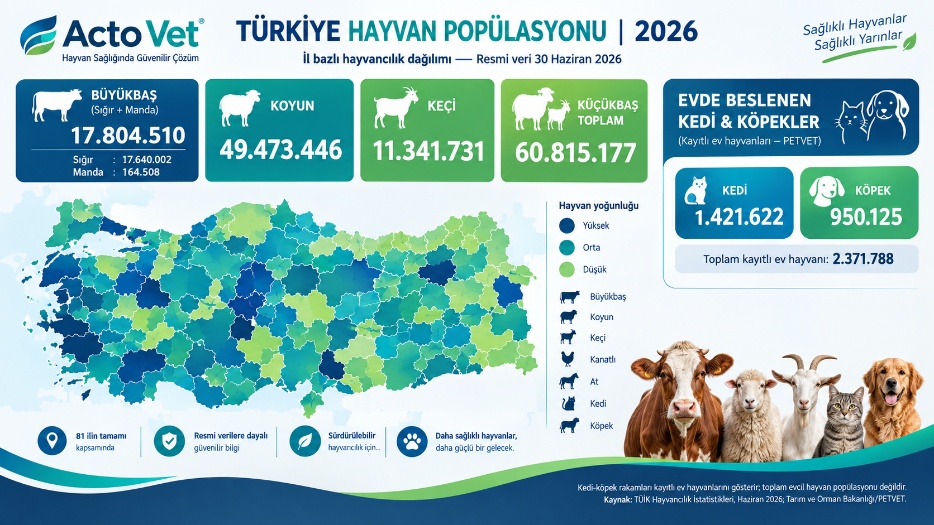
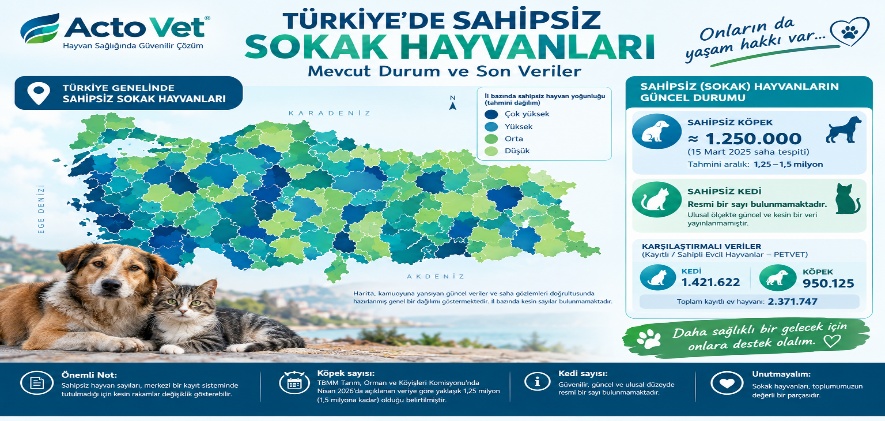
There are approximately 1.1 million veterinarians worldwide. This is a figure based on the most up-to-date global data published by the World Organisation for Animal Health (WOAH) . The data were compiled from country reports for 2019. When we also include veterinary health support staff, paraprofessionals, and some community animal health workers, this figure is known to cover 2.2 million workers.

The reason we are giving approximate figures for the human and animal populations of our world is;
For a Sustainable Future; healthier animals, healthier people..